Furnace Won't Turn On? Safe Checks for Santa Clara County Homes
Quick Diagnostic Answer: What to Check When Your Furnace Won't Start
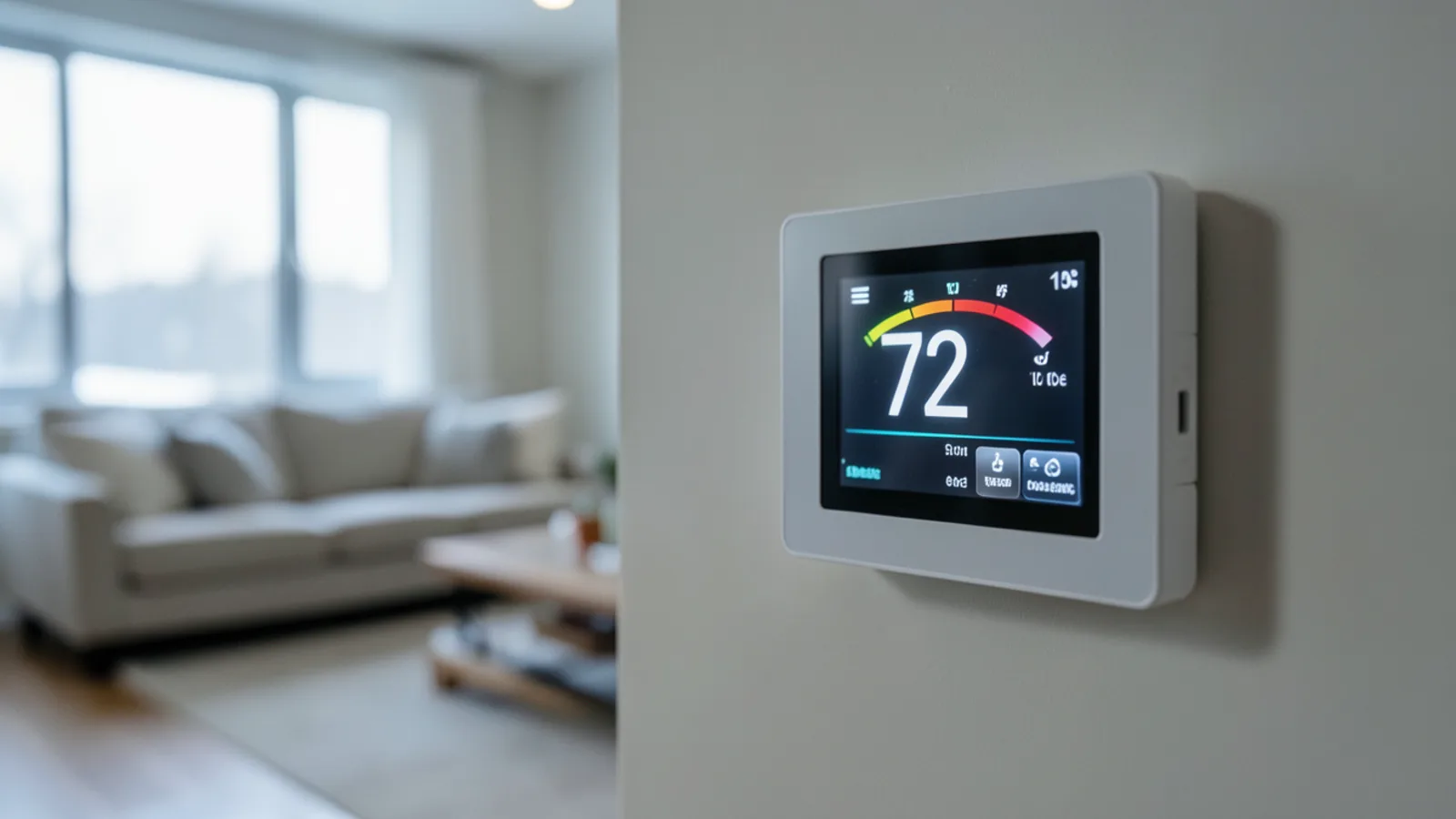
If your gas furnace refuses to turn on during a chilly South Bay night, verify five safe checks immediately: confirm your thermostat is set to "HEAT" at least 3°F above room temperature with fresh batteries, verify the furnace electrical service power switch is flipped "ON", ensure the blower compartment door is completely seated against its safety interlock, check that the manual gas shutoff valve is parallel to the pipe, and observe the flashing LED diagnostic light through the blower sight glass. If you smell natural gas, hear repeated clicking with no flame, or detect carbon monoxide alarms, turn the system off and contact a licensed C-20 HVAC technician immediately.
While the South Bay is celebrated for its mild Mediterranean climate, winter nights in Campbell, Los Gatos, Saratoga, and San Jose frequently plunge into the mid-30s and low-40s. Because heating systems remain dormant for eight to nine months through our hot summers, the first cold snap of November or December often exposes component failures that occurred during the off-season.
Modern residential gas furnaces are engineered with a chain of sequential electronic safety switches. If any individual sensor detects abnormal airflow, improper venting, or gas valve malfunction, the control board initiates an automatic safety lockout to protect your household from fire or toxic combustion gas buildup. Performing basic troubleshooting can help you identify whether a simple fix exists or professional diagnostic repair is needed.
Need Professional HVAC Help in Campbell?
Our local team handles diagnostic troubleshooting, equipment sizing, and emergency repairs across the South Bay.
Step-by-Step Safe Homeowner Diagnostic Checklist
Follow these safe, sequence-oriented checks before scheduling a technician dispatch visit. Always keep your hands clear of electrical wiring and burner assemblies.
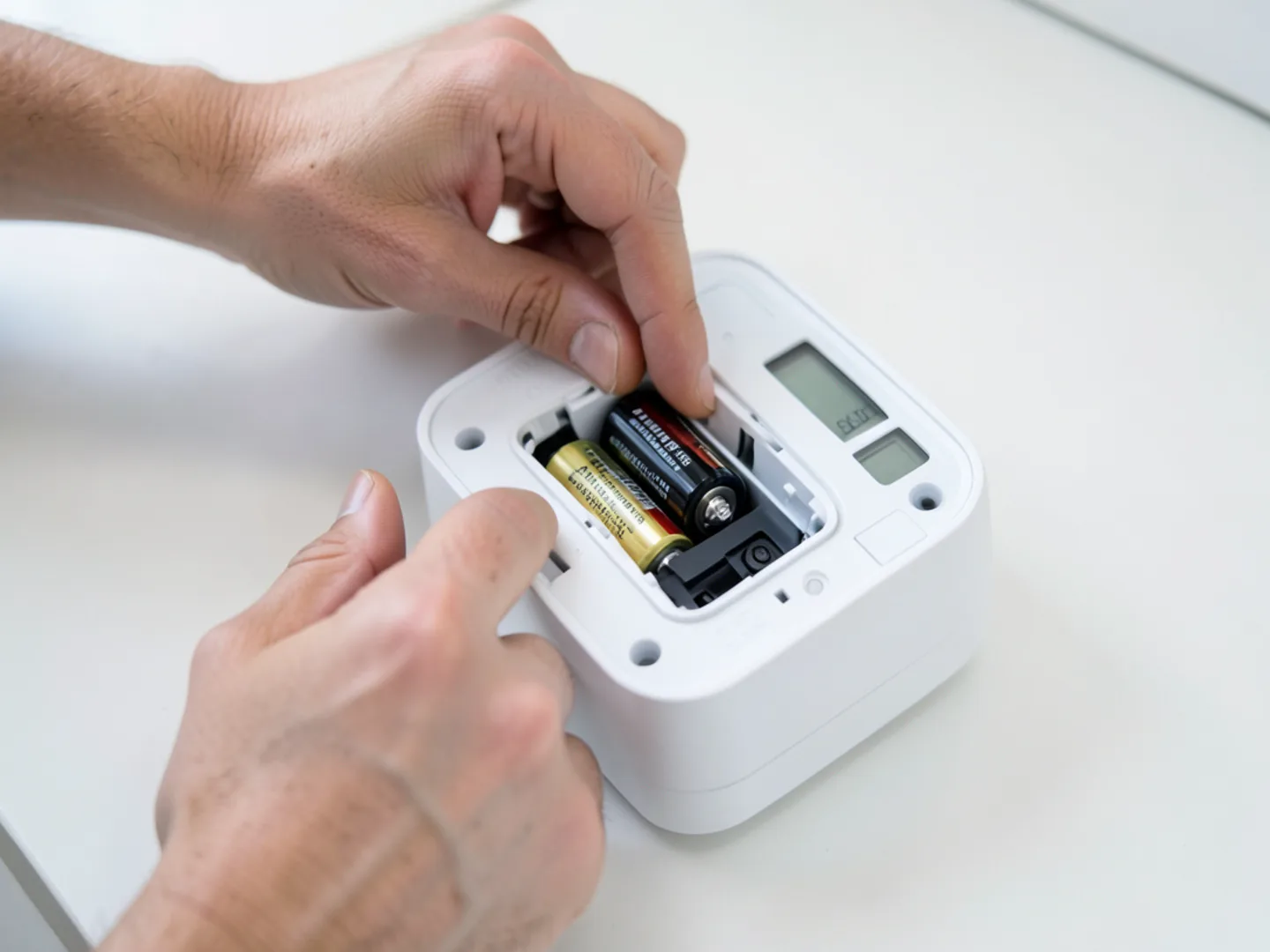
- Confirm Thermostat Call for Heat: Ensure the thermostat is set to "Heat", the fan switch is on "Auto", and the setpoint temperature is set at least 3°F to 5°F above the current ambient room temperature. If battery-powered, replace alkaline batteries to eliminate weak relay signals.
- Check the Furnace Electrical Service Switch: Look for an ordinary toggle switch mounted on or near the furnace cabinet (often located on an attic truss, hallway closet wall, or basement ceiling). This switch controls 120V line power to the furnace control board; ensure it hasn't been bumped "OFF" accidentally.
- Inspect the Blower Access Door Safety Interlock: Modern gas furnaces feature a spring-loaded push-button safety switch behind the lower blower compartment door. If the door panel is slightly loose, warped, or misaligned, line-voltage power to the entire furnace is completely severed.
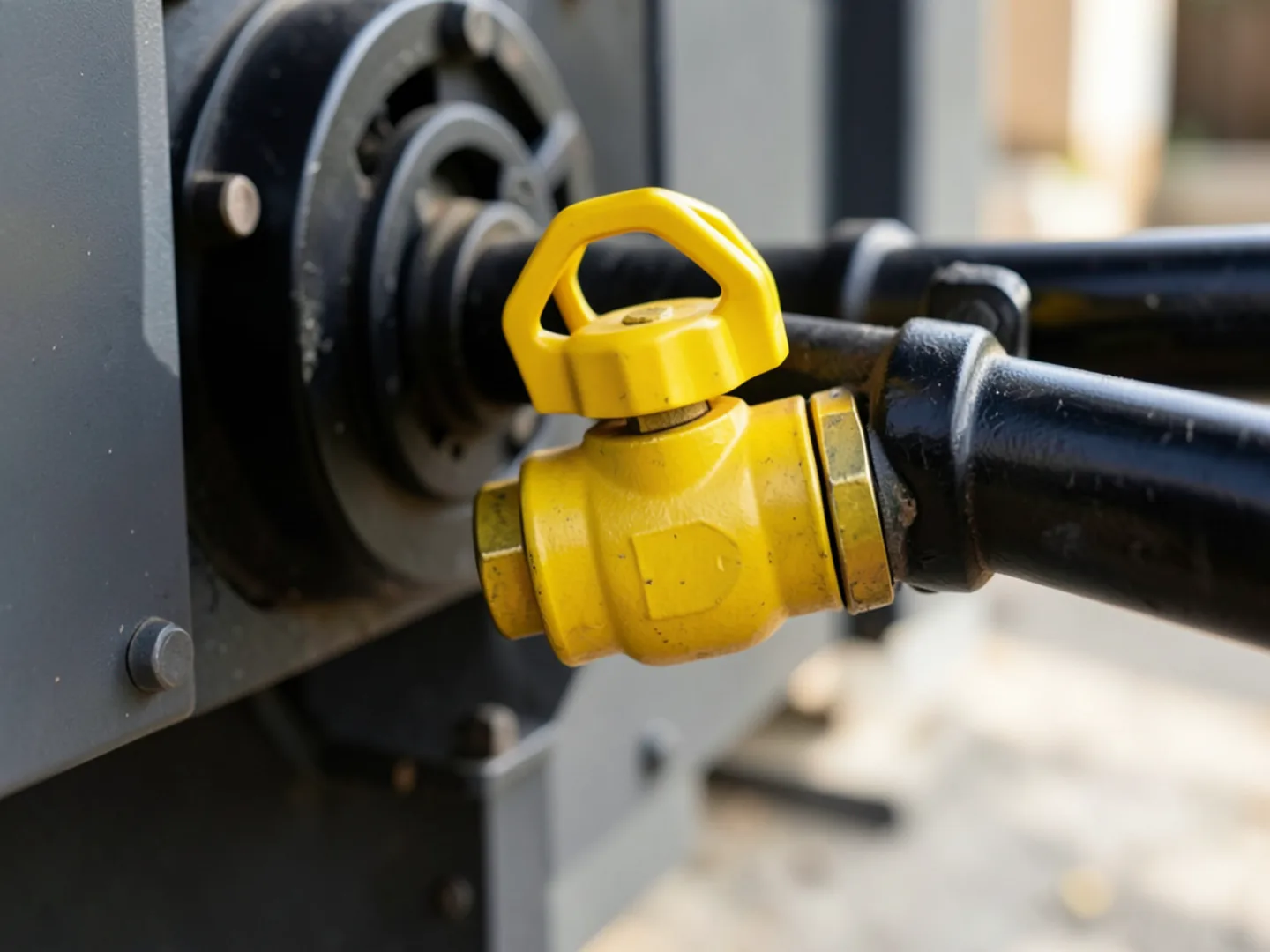
- Verify Natural Gas Supply Valves: Check that the manual yellow-handled gas shutoff valve along the black iron gas pipe leading into the furnace is turned parallel to the pipe (open position). If the handle is perpendicular, gas flow is physically blocked.
- Examine the Return Air Filter: A heavily dust-choked air filter creates massive internal static pressure, causing the high-temperature limit switch to trip and shut down the burners within minutes of startup.
Decoding Modern Furnace LED Diagnostic Blink Codes
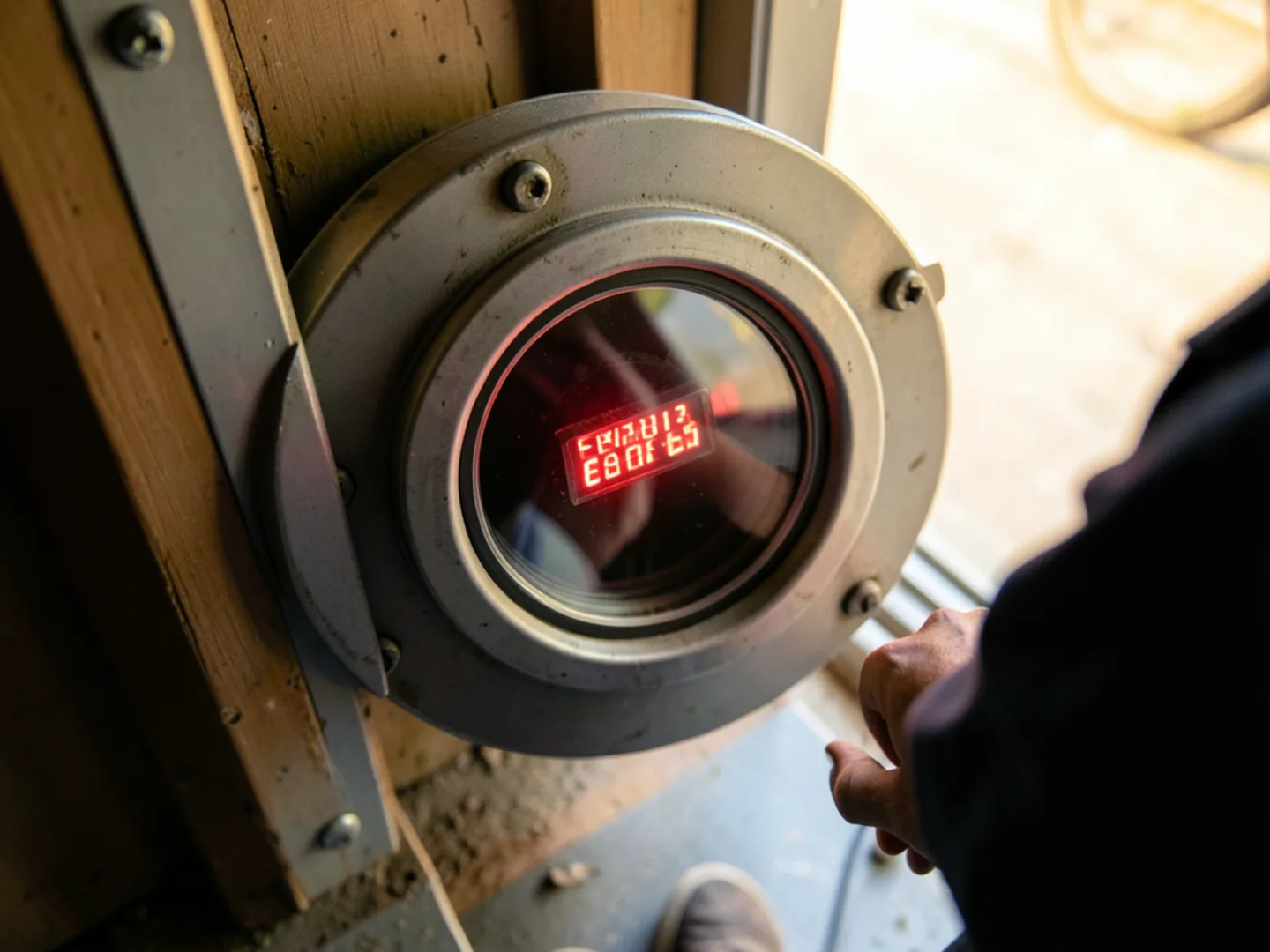
Nearly all electronic ignition furnaces manufactured in the last 25 years feature an integrated control board equipped with an LED indicator light. This LED is typically visible through a small clear inspection sight glass on the lower blower access panel.
When an internal fault occurs, the control board flashes a specific sequence of slow and rapid blinks resembling Morse code. These blinks correlate to a diagnostic fault code printed on the inside of the furnace access door panel. Counting the flash pattern gives our technicians invaluable diagnostic clues before arriving at your property.
| LED Flash Pattern | Typical System Condition | Common Cause & Action |
|---|---|---|
| Continuous Rapid Blink | Reversed 120V Line Polarity | Improper electrical grounding or loose neutral wire connection on control board. |
| 1 Flash / Pause | Ignition Lockout (Failed Attempts) | Dirty flame sensor rod, faulty hot surface igniter, closed gas valve, or low gas pressure. |
| 2 Flashes / Pause | Draft Inducer Pressure Switch Open | Blocked flue vent pipe, cracked inducer hose, bird nest in chimney, or failed inducer motor. |
| 3 Flashes / Pause | Draft Inducer Pressure Switch Stuck Closed | Defective pressure switch diaphragm or shorted low-voltage control wiring. |
| 4 Flashes / Pause | High-Temperature Limit Switch Open | Severe airflow restriction, completely clogged air filter, failed blower motor, or closed dampers. |
| Solid On (No Blinks) | Normal Standby / No Heat Call | Thermostat call not reaching furnace board, blown 3A/5A low-voltage fuse, or dead transformer. |
Dirty Flame Sensors & The Microamp Rectification Principle
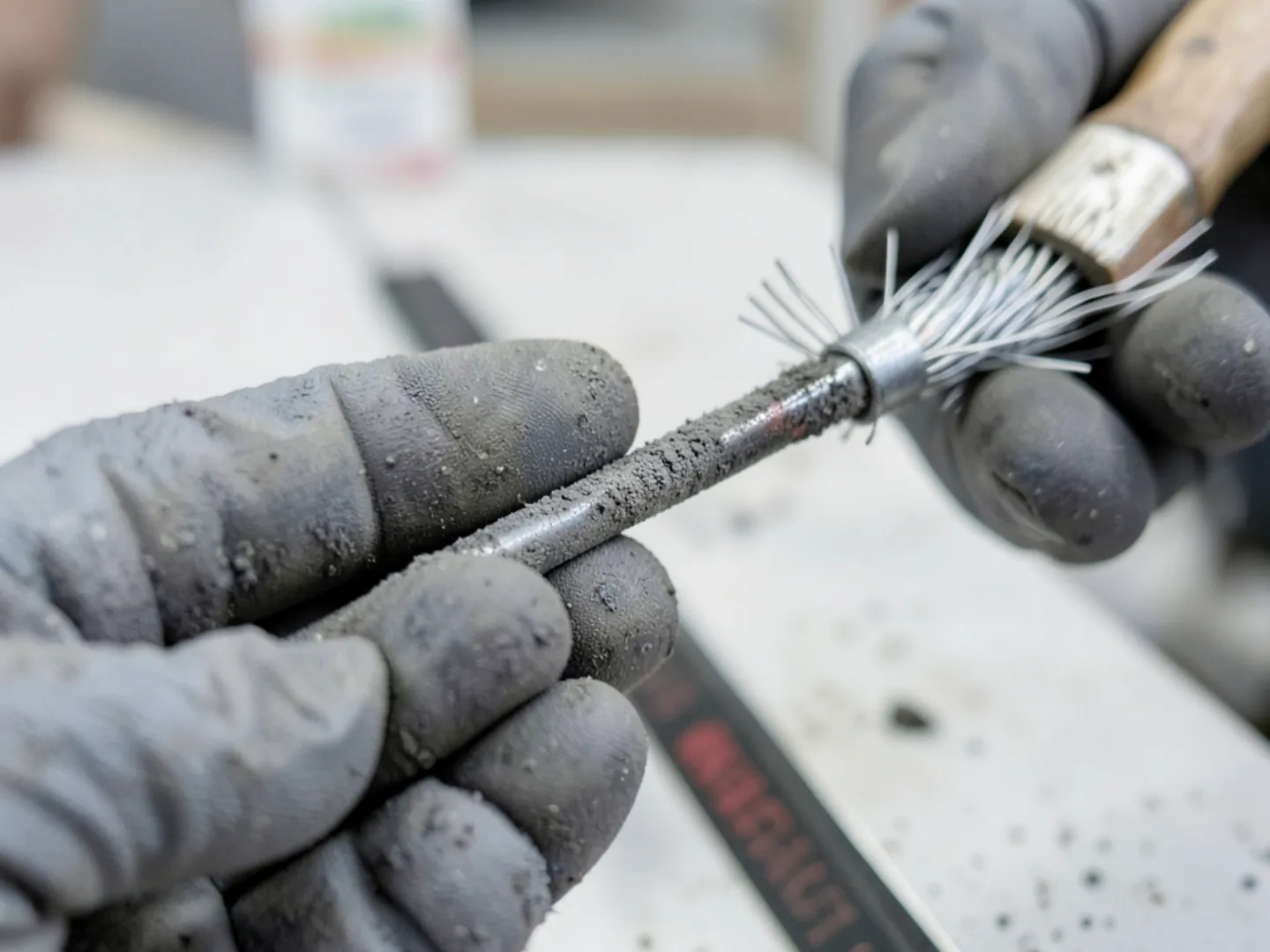
By far the single most frequent reason a gas furnace lights for three to five seconds and then immediately shuts down is a fouled flame rectification sensor.
To ensure unburned natural gas never accumulates inside your home, the furnace control board sends an AC voltage through a thin stainless-steel flame sensor rod positioned directly in the burner flame path. When the gas flame envelops the rod, the ionized gas molecules rectify the electrical current from alternating current (AC) into a tiny direct current (DC) microamp signal (typically 0.5 to 5.0 microamps DC).
Over several seasons of combustion, microscopic airborne silica, dust, and carbon oxidation coat the metal rod, acting as an electrical insulator. When the control board fails to detect a minimum 0.5 DC microamp signal within four seconds of burner ignition, it immediately shuts the gas solenoid valve for safety. In our diagnostic service, we measure flame current with an in-series multimeter and restore full conductivity using ultrafine non-abrasive polishing cloths.
Draft Inducer Blowers & Pressure Switch Safety Verification
Before a modern furnace ever opens its gas valve or energizes its igniter, an electric draft inducer blower motor must run for 15 to 30 seconds. This pre-purge cycle clears residual combustion gases from the heat exchanger and pulls fresh combustion air into the burner chamber.
A sensitive differential pressure switch monitors draft pressure through a flexible silicone tube. The switch is calibrated to detect tiny negative pressures—often between -0.45 and -1.25 inches of water column (W.C.). If the pressure switch detects inadequate draft caused by a cracked silicone hose, moisture accumulation in the pressure port, an aging inducer motor, or a roof chimney vent blocked by leaves or bird nests, the ignition sequence halts immediately.
Expert Field Insights: How PerformanceMech Tests Combustion & Ignition
When our Campbell diagnostic technicians arrive at your property, we follow a rigorous scientific diagnostic protocol rather than swapping random parts:
- Combustion Gas Analysis: We utilize calibrated Bacharach electronic combustion analyzers inserted into the flue to test carbon monoxide (CO) parts per million, flue gas temperature, and combustion efficiency.
- Digital Manometer Gas Pressure Testing: We connect dual-port digital manometers to the gas valve manifold to verify incoming supply pressure (typically 7" W.C. for natural gas) and manifold output pressure (regulated to exactly 3.5" W.C.).
- Hot Surface Igniter Resistance: We measure electrical resistance across the igniter element using digital multimeters. Silicon carbide igniters should read 45 to 90 ohms, while newer silicon nitride igniters read 11 to 20 ohms. Any reading indicating infinity (open circuit) means the element has cracked.
- Optical Borescope Heat Exchanger Inspection: We feed high-resolution optical cameras into the heat exchanger cells to inspect for microscopic stress fractures, rust pinholes, or seam separations that could leak carbon monoxide into residential living spaces.
- BAAQMD Rule 9-4 Guidance: If an aging furnace has suffered a cracked heat exchanger, we advise homeowners on the Bay Area Air Quality Management District (BAAQMD) zero-NOx heat pump transition rules and assist in securing Silicon Valley Clean Energy (SVCE) rebates.
Critical Safety Warnings: Natural Gas & Carbon Monoxide Hazards
Your gas furnace combines combustible natural gas with high-voltage electricity and toxic combustion byproducts. Never compromise your household safety by bypassing safety switches or ignoring danger signs:
- Never Manually Force a Gas Valve: If your furnace refuses to ignite, never attempt to light burners with matches or bypass electronic gas control solenoids.
- Sulfur / Rotten Egg Odor: Natural gas companies inject mercaptan odorant. If you smell gas, leave your home immediately without operating light switches and call PG&E at 1-800-743-5000.
- Carbon Monoxide Alarms: If your indoor CO detector sounds, immediately evacuate all family members and pets to fresh outdoor air and dial 911.
- Soot Around Burner Doors: Black soot stains on the furnace exterior indicate incomplete combustion and dangerous carbon monoxide production that requires immediate service.
Frequently Asked Questions
Why does my furnace ignite for 3 seconds and then immediately shut off?
This is the classic symptom of a dirty or oxidized flame sensor rod. The burners light, but the control board fails to detect the DC microamp flame rectification signal within four seconds. For safety, the board shuts the gas valve to prevent unburned gas accumulation.
Can a clogged air filter prevent a gas furnace from turning on?
Yes. A severely clogged air filter restricts airflow across the heat exchanger. This causes internal temperatures to spike, tripping the high-limit safety switch and causing the furnace to cycle off or enter an automatic safety lockout.
How can I tell if my furnace igniter is burned out?
During the startup sequence, you should see the hot surface igniter glow bright orange before the gas valve clicks open. If you hear the draft inducer run, followed by a click without any orange glow, the igniter element has likely cracked and requires replacement.
How quickly can PerformanceMech dispatch a heating technician in Santa Clara County?
Operating from our central hub at 900 E Hamilton Ave in Campbell, our typical emergency response time across Campbell, San Jose, Los Gatos, Saratoga, and Cupertino is 15 to 25 minutes. We prioritize complete heating outages during cold winter snaps.
Related Services & Coverage Areas
Editorial Note & Compliance Transparency
Rebate guidelines, local air district standards (such as BAAQMD Rule 9-4), and municipal permit requirements reflect policies in effect as of 2026-10-24. Utility incentive funding levels and program guidelines are subject to change by administering utilities. Always confirm current program requirements prior to final equipment purchase.