
AC Stopped Working in a Campbell Heat Wave? What to Check Before You Call
Quick Diagnostic Summary: What to Check First When Your AC Fails in a Heat Wave
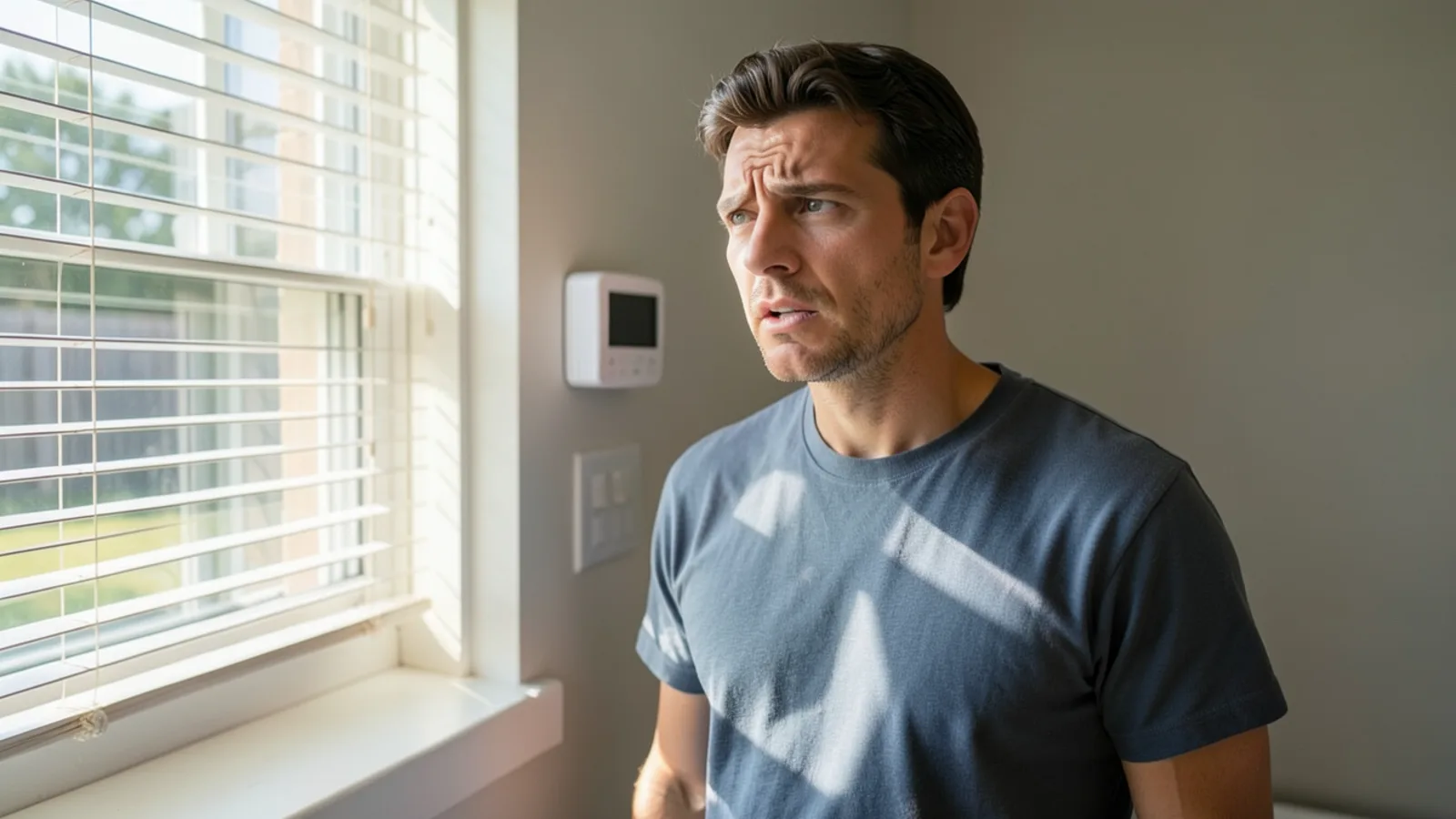
If your air conditioner suddenly stops cooling during a South Bay heat wave, verify four immediate items: replace dead thermostat batteries, reset a tripped double-pole 240V breaker once, inspect and replace a clogged 1-inch air filter, and check whether your attic condensate overflow float switch has tripped. If the outdoor condenser hums without spinning or indoor copper lines are encased in thick ice, turn the system off immediately at the thermostat to prevent catastrophic compressor motor burnout before calling for professional service.
During peak summer heat waves across Campbell, San Jose, Los Gatos, and the West Valley, ambient outdoor temperatures regularly surge between 95°F and 104°F. In the Santa Clara Valley basin, local meteorological data records an average of 18.9 days exceeding 90°F each summer. When extreme ambient heat collides with direct afternoon solar radiation on western and southern roof exposures, your central air conditioning condensing unit is forced to operate continuously for eight to twelve hours without cycling off.
When an air conditioning system suddenly stops blowing cold air right during triple-digit weather, panic is understandable—especially if young children, elderly family members, or pets are living in the home. However, before calling for emergency repair dispatch, performing systematic, non-invasive homeowner checks can save hours of discomfort and eliminate unnecessary service fees.
Need Professional HVAC Help in Campbell?
Our local team handles diagnostic troubleshooting, equipment sizing, and emergency repairs across the South Bay.
4 Safe Homeowner Checks Before Calling for Professional Service
Perform these four non-invasive checks to determine whether you have a simple homeowner fix or require professional diagnostic instrumentation. Do not open electrical control panels or touch high-voltage wiring.
- Thermostat Power Verification: If your thermostat screen is blank, modern communicating thermostats often lose power when the furnace door safety switch is ajar or when a 24-volt transformer fuse blows.
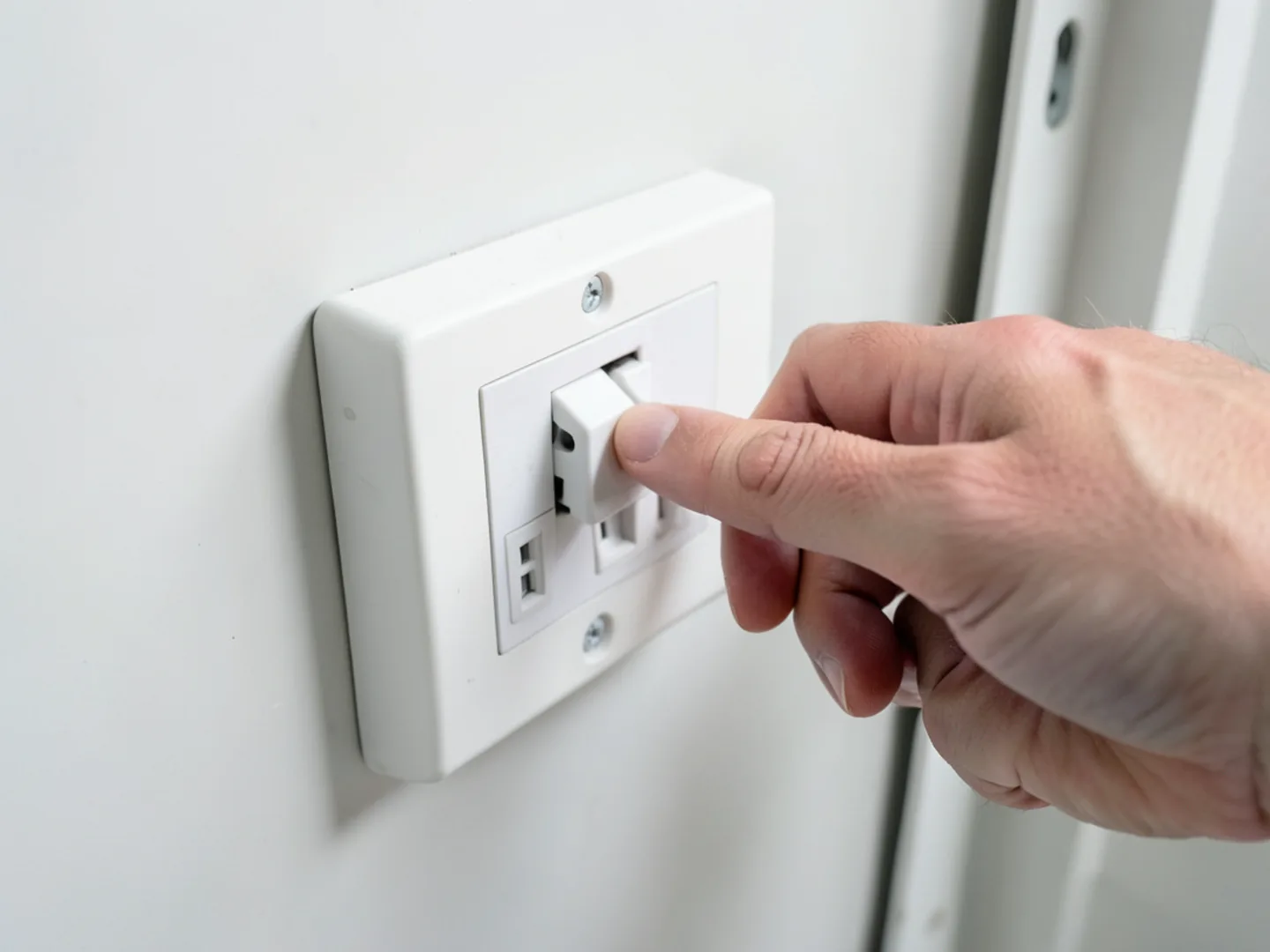
- Single Breaker Reset Rule: Never reset an HVAC circuit breaker more than once. Breakers trip due to extreme amperage draw, which indicates a seized compressor motor or dead capacitor that can melt electrical conductors.
- Airflow Obstruction Check: Walk around your home to confirm that furniture, drapes, or closed doors are not blocking main central return air grilles or supply registers.
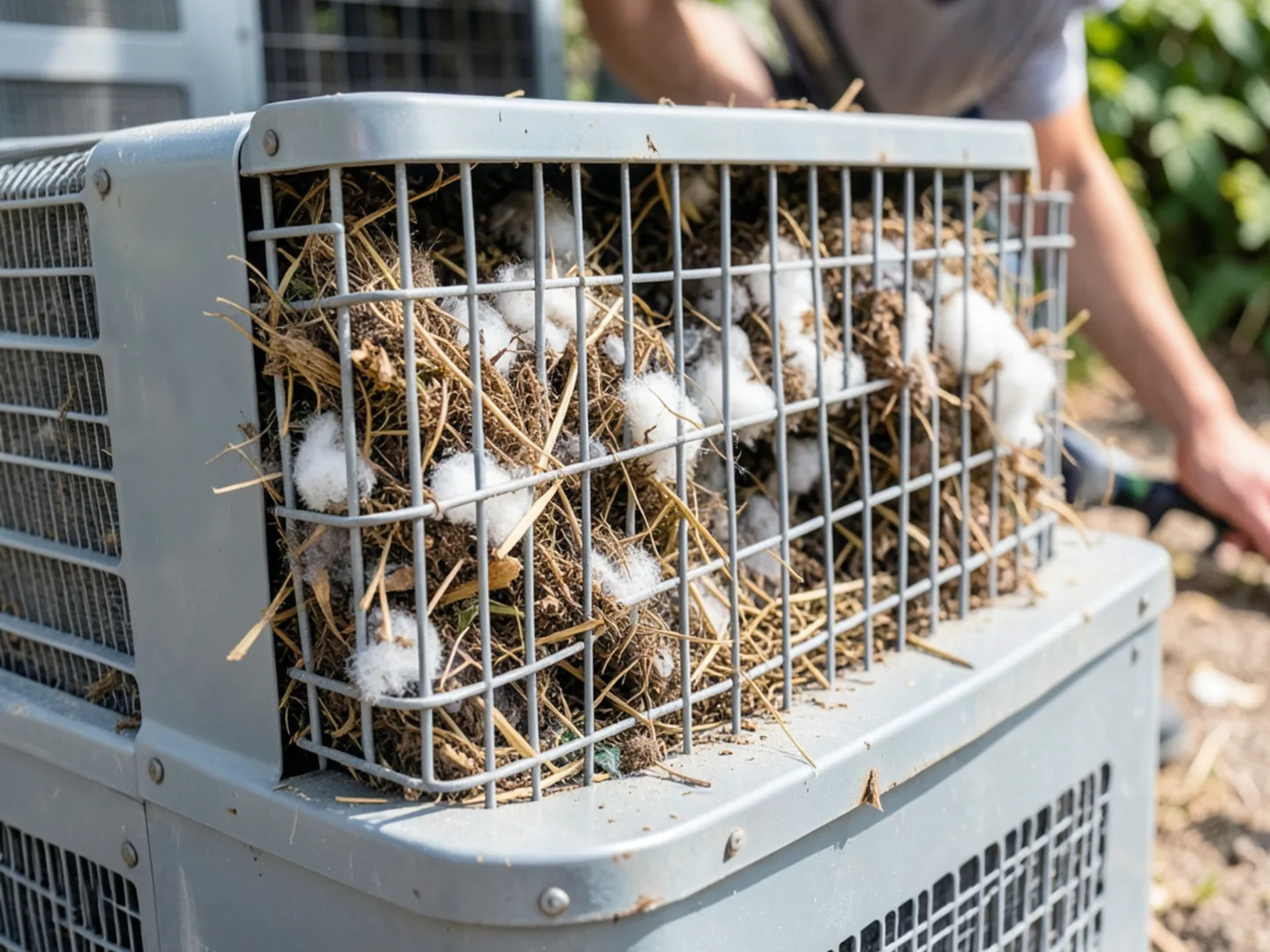
- Outdoor Condenser Clearances: Ensure tree branches, shrubs, dry grass, or patio storage have not encroached within 24 inches of the outdoor unit, choking off heat exhaust airflow.
| Check Item | What to Look For | Safe Homeowner Action |
|---|---|---|
| 1. Wall Thermostat | Blank display, incorrect mode, dead batteries | Replace AA alkaline batteries; verify system switch is set firmly to "COOL" with target setpoint at least 5°F below current room temperature. |
| 2. Electrical Panel Breaker | Double-pole AC breaker in "tripped" middle position | Firmly switch the 240V breaker completely "OFF", then push firmly back to "ON" once. If it trips again immediately, stop cycling it to prevent wire fires. |
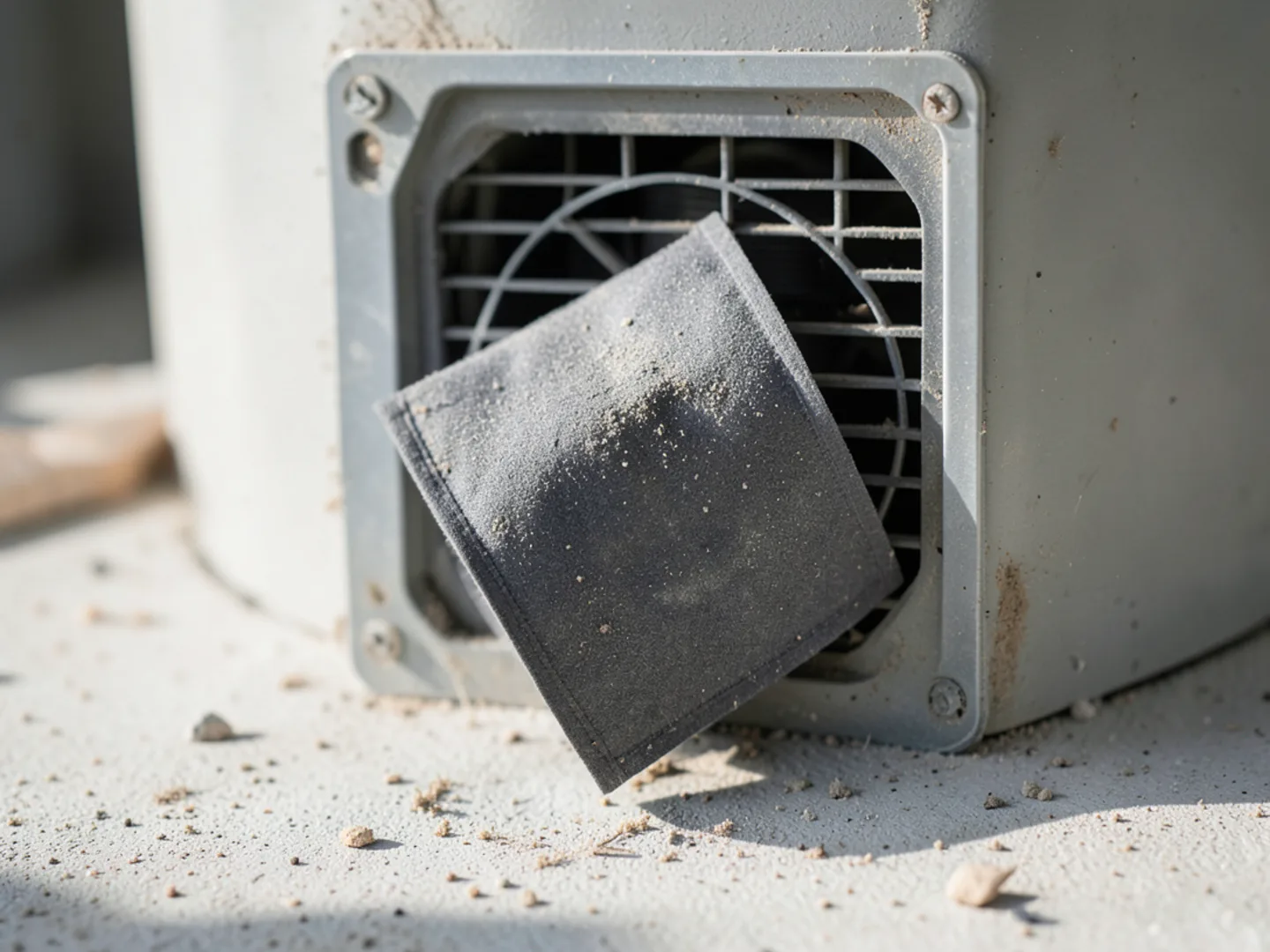
| 3. Return Air Filter | Clogged gray carpet of dust, pet dander, and lint | Remove and replace filter with fresh MERV 8 or MERV 11 filter. If indoor evaporator coil or copper lines are iced over, switch AC to "OFF" and set fan to "ON". |
| 4. Outdoor Disconnect Switch | Loose pull-out plug, blown cartridge fuses, or tripped lever | Visually verify that the outdoor weather-tight disconnect handle adjacent to the condenser is fully inserted in the "ON" position. |
The Thermodynamics of High Ambient Condenser Strain Above 95°F
Air conditioners do not generate cool air; they function as refrigeration heat pumps that extract heat from inside your living space and reject that heat outdoors through the condensing coil. In Northern California residential engineering, residential HVAC systems are sized using ACCA Manual J protocols based on a regional 99% summer design temperature of 90°F to 92°F. When ambient air in Campbell and San Jose hits 100°F or 105°F, outdoor temperatures exceed the equipment's design parameters.
As ambient temperatures spike, the refrigerant head pressure inside the outdoor coil surges dramatically. In modern systems operating on R-410A refrigerant, head pressure normally operates between 275 and 350 psig on an 85°F afternoon. When ambient temperatures surpass 100°F, head pressure frequently spikes above 425 to 475 psig. This immense internal pressure requires the compressor motor to draw substantially higher electrical amperage to compress the vaporized refrigerant.
If the aluminum condensing coil fins are coated with neighborhood dust, lawn clippings, or tree pollen, heat transfer is severely compromised. Thermal energy cannot escape into the surrounding air. When internal compressor temperatures exceed safe thresholds, the internal thermal overload safety switch trips, cutting power to the motor windings to prevent the compressor from melting or shorting out completely.
Why Does an Air Conditioner Freeze Solid During a 100°F Heat Wave?
One of the most counterintuitive sights homeowners encounter during a triple-digit heat wave is a central air conditioning unit encased in thick, white frost or ice. It seems impossible that an appliance can freeze while ambient outdoor temperatures exceed 100°F.
The explanation lies entirely in thermodynamic airflow balance. Inside your home's air handler or furnace, liquid refrigerant expands and evaporates inside the aluminum evaporator coil at approximately 40°F to 44°F. As warm return air from your home blows across the coil fins, the refrigerant absorbs the heat, keeping coil surface temperatures above the freezing point of water (32°F).
However, if airflow across the evaporator coil is restricted—most commonly by a dust-clogged 1-inch pleated air filter, closed supply registers, crushed attic flexible ductwork, or a failing blower motor capacitor—the refrigerant cannot absorb enough thermal energy. Coil surface temperatures plummet below 32°F. Moisture condensing from indoor humidity immediately freezes into frost. Within hours, this frost builds into a solid block of ice that completely blocks all airflow through the system.
Crucial Warning: If your evaporator coil or outdoor refrigerant line is frozen, turn your thermostat to "OFF" immediately. Do not attempt to run the system in cooling mode. Operating a frozen air conditioner sends unevaporated liquid refrigerant straight back into the compressor pump, causing catastrophic hydraulic lock ("liquid slugging") that permanently destroys compressor valves.
Attic Condensate Line Clogs & Tripped Safety Float Switches
In many post-war Campbell ranch homes and two-story South Bay residences, the indoor furnace and evaporator coil are installed horizontally inside the attic space. During hot, humid summer afternoons, your air conditioning system removes between 5 and 15 gallons of water per day from indoor air as humidity condenses across the cold evaporator coil.
This extracted water flows through a primary PVC drain line, through a P-trap, and drains safely outside. Over months and years of operation, airborne dust, fungal spores, and microscopic algae settle into the moist drain pan and form a thick, gelatinous sludge inside the PVC trap. When the primary drain line becomes blocked, water begins filling the secondary emergency drain pan.
To protect your home from devastating ceiling collapses and water stains, building codes require an electronic float switch or secondary drain pan switch. When water levels rise inside the pan, the magnetic float rises and instantly interrupts the 24-volt control wire leading to the outdoor condenser. Your indoor fan will continue to blow warm, uncooled room-temperature air, but the outdoor condenser will refuse to start until the drain line is cleared and water drained.
Expert Field Insights: How PerformanceMech Diagnoses Heat Wave Failures
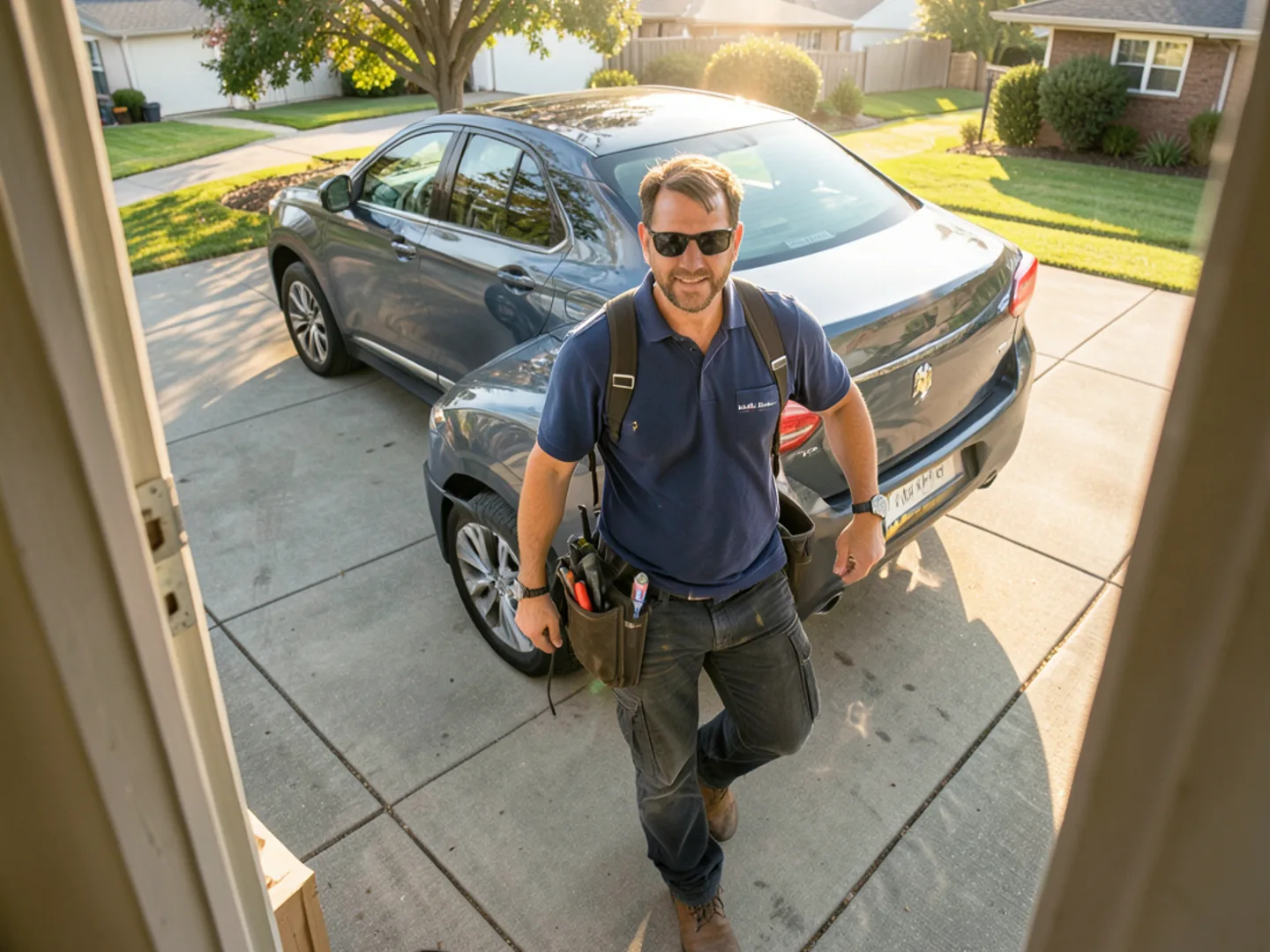
When our certified diagnostic technicians arrive at a Campbell home during a heat wave, we do not guess at parts or recommend unnecessary equipment replacements. We utilize professional-grade diagnostic instrumentation to evaluate system health systematically:
- Dual-Run Capacitor Testing: We use digital multimeters to measure capacitance in microfarads (µF) across hermetic compressor and condenser fan terminals. Capacitors that have drifted more than ±5% below rated specification are replaced immediately before they damage motor windings.
- Contactor Point Inspection: We measure voltage drop and examine high-voltage contactor points for electrical pitting, carbon tracking, or insect intrusion that creates dangerous electrical resistance.
- Wireless Refrigerant Manifold Diagnostics: Connecting digital pressure transducers and pipe thermistors, we calculate real-time liquid subcooling and suction superheat to distinguish between airflow restrictions and actual refrigerant leaks.
- Delta-T Temperature Split Verification: We measure the exact temperature differential between return air entering the filter and conditioned supply air exiting the registers. A healthy system delivers a split between 16°F and 21°F.
- Hard Start Kit Evaluation: On older compressors struggling to overcome high head pressures during 100°F restarts, we evaluate whether installing a potential relay and start capacitor will safely extend equipment life.
Emergency Warning Signs That Require Immediate Certified Service
While homeowner checks like filter changes and battery replacements are safe to perform yourself, certain electrical and mechanical warning signs require immediate certified intervention to prevent fire hazards or complete equipment loss:
- Humming Condenser with Motionless Fan: If the outdoor unit emits a deep electric hum but the fan blades are stationary, the dual-run capacitor has failed or the motor bearing is seized. Shut the system off immediately to prevent compressor burn-out.
- Acrid Burning Odor: A pungent electrical or ozone burning smell coming from supply vents or the outdoor unit indicates melting wire insulation or an overheating blower motor.
- Hissing or Bubbling Refrigerant Sounds: Audible hissing near the indoor coil or outdoor line-set indicates an active high-pressure leak that requires electronic sniffer leak detection and nitrogen pressure testing.
- Repeated Circuit Breaker Tripping: If an HVAC breaker trips a second time after being reset, internal electrical windings have shorted to ground, requiring emergency diagnostic service.
Frequently Asked Questions
Can a dirty air filter really cause my air conditioner to stop cooling in a heat wave?
Yes. A severely clogged air filter restricts airflow across the indoor evaporator coil. Without sufficient warm air to absorb, the refrigerant drops below 32°F, freezing condensate into a solid block of ice that completely blocks airflow and causes the system to blow warm air.
Why is my outdoor AC condenser humming loudly, but the fan blades aren't spinning?
A loud hum with a motionless fan is the classic symptom of a failed dual-run capacitor. The motor is receiving electrical power but lacks the starting torque necessary to spin the blades. Turn the AC off immediately at the thermostat to prevent compressor motor burnout.
Is it safe to spray my outdoor AC condenser with a garden hose during a heat wave?
Gently spraying the exterior metal coil fins with low-pressure water from a garden hose can temporarily wash away dust and help reject heat during extreme temperatures. However, never use high-pressure sprayers which bend delicate aluminum fins, and never spray water directly into electrical control panels.
How quickly can PerformanceMech dispatch an emergency repair technician in Campbell?
Because our central operating hub is located at 900 E Hamilton Ave in Campbell, our typical emergency dispatch time across Campbell, San Jose, Los Gatos, and Saratoga is 15 to 25 minutes. During extreme heat waves, we prioritize emergency calls for vulnerable households and complete cooling failures.
Related Services & Coverage Areas
Editorial Note & Compliance Transparency
Rebate guidelines, local air district standards (such as BAAQMD Rule 9-4), and municipal permit requirements reflect policies in effect as of 2026-10-24. Utility incentive funding levels and program guidelines are subject to change by administering utilities. Always confirm current program requirements prior to final equipment purchase.